
Close Menu
AIToday7

    Subscribe to Updates

    Get the latest creative news from FooBar about art, design and business.

    What's Hot

    Even Realities G2 review: Smart glasses, stupid controls

    October 19, 2026

    Nathan Fielder’s Surprise Call From Elizabeth Holmes: ‘I Trust You’

    October 19, 2026

    REG – Technology Minerals – Result of General Meeting

    October 19, 2026
    Facebook X (Twitter) Instagram
    Trending
    • Even Realities G2 review: Smart glasses, stupid controls
    • Nathan Fielder’s Surprise Call From Elizabeth Holmes: ‘I Trust You’
    • REG – Technology Minerals – Result of General Meeting
    • What’s the point of the 2.5G Ethernet port on your router?
    • Democrats think cracking down on AI could give them an edge
    • Rozvelt built a high-tech mask for hunters. Defence buyers see something bigger. | BetaKit
    • AI chip startup Tenstorrent more than doubles its valuation to $6.2 billion in funding round
    • How Emotions Drive Students’ Growing Dependence on AI Writing Tools
    Facebook X (Twitter) Instagram Pinterest Vimeo
    AIToday7
    • Home
    • AI News
    • Tech News
    • AI Guides
    • Chatbots
    • Cybersecurity
    • Gadgets
    • More
      • Generative AI
      • Startups
    AIToday7
    Home»Chatbots»Taiwan plans AI-powered satellite analysis to spot Chinese ships, missile activity
    Chatbots

    Taiwan plans AI-powered satellite analysis to spot Chinese ships, missile activity

    aitoday7By aitoday7October 17, 2026No Comments3 Mins Read
    Share Facebook Twitter Pinterest LinkedIn Tumblr Reddit Telegram Email
    Taiwan plans AI-powered satellite analysis to spot Chinese ships, missile activity
    Share
    Facebook Twitter LinkedIn Pinterest Email

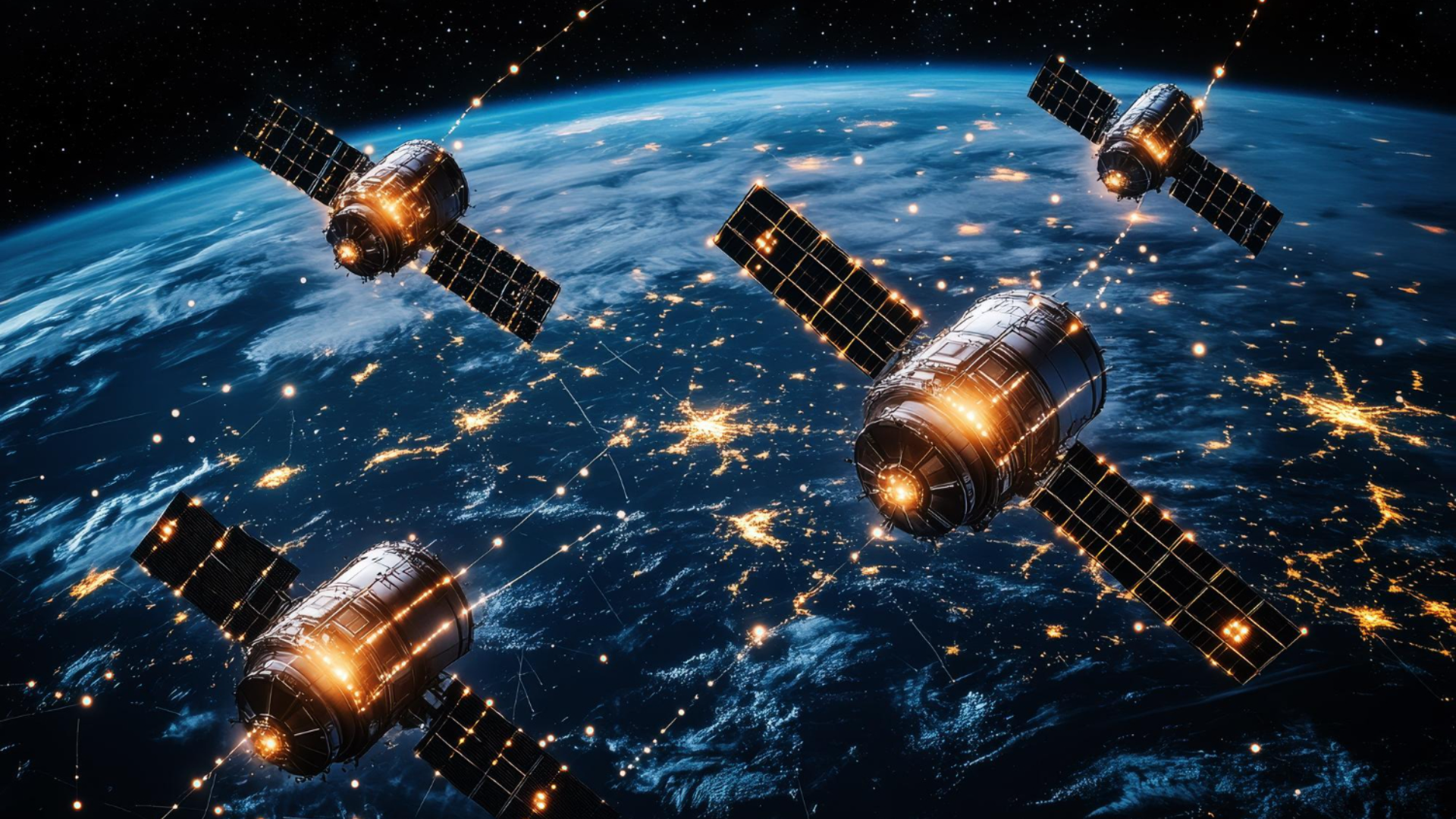
    Taiwan is developing a $1.45 million AI system designed to identify Chinese military ships, aircraft and mobile missile launchers in satellite imagery, giving intelligence analysts a faster way to detect changes in People’s Liberation Army (PLA) deployments. The system will scan images covering about 38.6 square miles within minutes, automatically comparing new data with historical imagery and flagging potential military activity.

    Awarded to Taiwan-Japan joint venture ThinkTron, the project is expected to be completed by the end of April. Rather than adding new reconnaissance satellites, the system will process imagery from existing sources, helping Taiwan improve early warning as Beijing continues to increase military pressure around the island.Speeding up satellite imagery analysisTaiwan’s Ministry of National Defense awarded the contract to ThinkTron through its Communication Development Office (CDO), a military intelligence unit that specializes in collecting and analyzing signals associated with the PLA.

    The contract took effect on September 25, with completion scheduled for the end of April.The system is designed to analyze multiple areas measuring roughly 6.2 by 6.2 miles, identifying military assets and changes in their deployment. According to sources familiar with the project, it will be able to detect ships longer than about 33 feet, along with smaller targets such as aircraft, missile launchers and mobile radar vehicles.The software will automatically compare incoming satellite images with historical data and flag changes for further examination by intelligence analysts.

    This could reduce the time and manpower required

    This could reduce the time and manpower required to search large areas manually, particularly as Chinese military aircraft and vessels operate more frequently around Taiwan.The project follows earlier confirmation from Taiwan’s defense minister, Wellington Koo Li-hsiung, that the military planned to develop a prototype AI-powered satellite imagery recognition system. The main purpose is to help identify potential threats near the island and support decisions about military readiness.The system processes imagery, not satellitesThe $1.45 million contract covers an analytical tool rather than a new satellite reconnaissance network.

    Military analyst Zivon Wang of the Chinese Council of Advanced Policy Studies in Taipei told SCMP the CDO would use AI to process imagery received from otherthe contractor selected for the project, is a joint venture established by Taiwan’s Sinotech Engineering Consultants and Japan’s Kokusai Kogyo, a geospatial technology specialist

    Its existing Tron Eyes technology uses convolutional neural networks to analyze imagery for applications including disaster prevention, infrastructure inspection, agriculture and transportation.Max Lo, executive director of the Taiwan International Strategic Study Society, said the underlying technology is already used by advanced militaries and remote-sensing organizations. The challenge for Taiwan is to integrate it into military intelligence operations and make the resulting analysis useful for decisions in the field.Unlike systems that can analyze imagery directly aboard satellites before transmitting the results to Earth, Taiwan’s planned system will conduct its analysis on the ground at the CDO.

    That approach still offers the potential to accelerate the process by automatically screening imagery and directing analysts toward changes that warrant closer attention.

    Post Views: 6

    AIpowered military plans satellite Taiwan
    Share. Facebook Twitter Pinterest LinkedIn Tumblr Email
    Previous ArticleNorth Korea tested a new torpedo system with artificial intelligence – Serbian News Media
    Next Article US humanoid robot Digit 5 targets 20-hour workdays with 9-minute charging
    aitoday7
    • Website

    Related Posts

    Chatbots

    Artificial Intelligence (AI) micro-credential enrollments in Ghana rise 95%: Coursera’s Global Skills Report 2026

    October 19, 2026
    Chatbots

    How much does inflation cost you? Ask the Euronews AI chatbot

    October 19, 2026
    Chatbots

    US humanoid robot Digit 5 targets 20-hour workdays with 9-minute charging

    October 17, 2026
    Add A Comment
    Leave A Reply Cancel Reply

    Top Posts

    Even Realities G2 review: Smart glasses, stupid controls

    October 19, 20260 Views

    Nathan Fielder’s Surprise Call From Elizabeth Holmes: ‘I Trust You’

    October 19, 20260 Views

    REG – Technology Minerals – Result of General Meeting

    October 19, 20260 Views
    Stay In Touch
    • Facebook
    • YouTube
    • TikTok
    • WhatsApp
    • Twitter
    • Instagram
    Latest Reviews
    Uncategorized

    Architecting memory and storage in the AI era

    aitoday7September 4, 2026
    Uncategorized

    Roland Releases Melody Flip, an AI Melody-Generation Plug-In for DAWs

    aitoday7September 4, 2026
    Uncategorized

    Home Depot Labor Day Sale (2026): BOGO on Best Grills and Tools

    aitoday7September 4, 2026

    Subscribe to Updates

    Get the latest tech news from FooBar about tech, design and biz.

    Most Popular

    Even Realities G2 review: Smart glasses, stupid controls

    October 19, 20260 Views

    Nathan Fielder’s Surprise Call From Elizabeth Holmes: ‘I Trust You’

    October 19, 20260 Views

    REG – Technology Minerals – Result of General Meeting

    October 19, 20260 Views
    Our Picks

    Architecting memory and storage in the AI era

    September 4, 2026

    Roland Releases Melody Flip, an AI Melody-Generation Plug-In for DAWs

    September 4, 2026

    Home Depot Labor Day Sale (2026): BOGO on Best Grills and Tools

    September 4, 2026

    Subscribe to Updates

    Get the latest creative news from FooBar about art, design and business.

    Facebook X (Twitter) Instagram Pinterest
    • About Us
    • Get In Touch
    • Disclaimer
    • Privacy Policy
    • Terms and Conditions
    © 2026 AIToday7. All Rights Reserved.

    Type above and press Enter to search. Press Esc to cancel.