

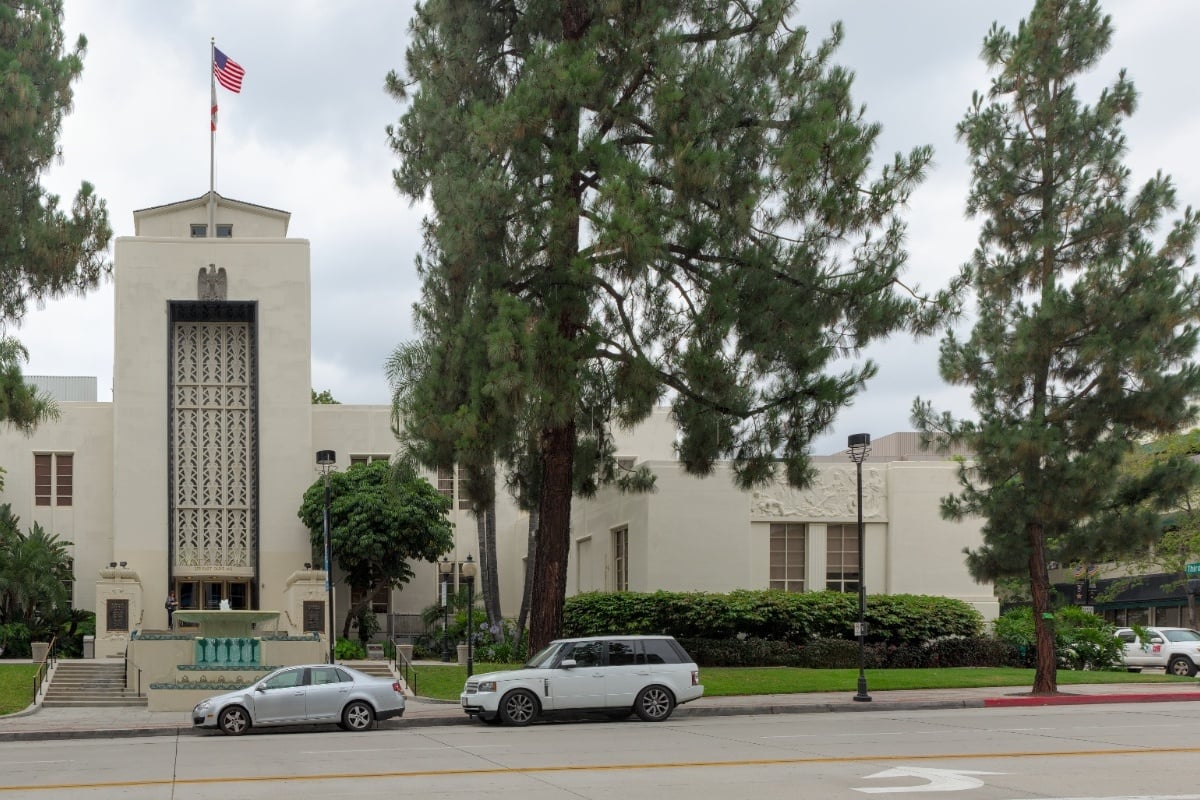
Burbank City Council voted to ban generative AI art from the city’s published content, choosing an outright prohibition over the professional standards staff had recommended.
The action covers public-facing material and, as Hey SoCal reported, applies to all content the city produces. Councilmember Nikki Perez brought the proposal.
A Ban On City-Made Images
The rule is aimed at generative AI artwork, not every automated feature sitting inside design software. Council distinguished those everyday editing tools from generative art. Staff had warned that a broad ban could still reach AI-assisted functions embedded in programs such as Adobe Photoshop, and could complicate sharing material the city did not make.
Mariam Movsesian said staff had recommended professional standards rather than a complete ban. She also said Burbank does not use AI-generated art in its graphics or on social media. The vote writes that practice into a prohibition, with a narrow way out.
Staff may use generative AI only as a very last resort in an emergency. That exception may apply when no graphic designer or cartographer is available. For graphics the city shares from nonprofit partners and outside organizations, Burbank will identify the original
Artists Asked The City To Pay People
Artists and residents told the council that AI-generated imagery is built on stolen creative work. One public-comment speaker compared the practice to having a car stolen, called AI art ugly, lazy and lame, and urged the council to pay local artists.
Artists and residents told the council that AI-generated imagery is built on stolen creative work. One public-comment speaker compared the practice to having a car stolen, called AI art ugly, lazy and lame, and urged the council to pay local artists. The vote keeps generated images out of the flyers, posts and other published material City Hall puts its name on.
Staff Drew A Narrower Line
The practical fight was over how far a rule should reach once it leaves the dais. Staff’s caution was specific: a sweeping ban could trip over tools already built into ordinary software, and it could make third-party content harder to share. The council’s distinction between generative art and assisted editing is the answer it gave to that warning. The tagline is the answer it gave to outside graphics.
That still leaves a city communications shop that, by Movsesian’s account, was not using generated art in graphics or social media before the vote. The louder signal Perez wanted is aimed as much at the industry around Burbank as at a workflow staff said it had already declined.
Other Governments Are Labeling, Inventorying, Or Still Drafting
San José’s generative AI guidelines, last updated April 24, 2025, call for citing AI-generated images, video and audio. They also instruct users to review, revise and fact-check AI-created content, according to the City of San José guidelines.
Washington issued interim guidelines in 2023 saying AI-generated content used in government business should be labeled with the chatbot model, the exact prompt, and the name of the human reviewer, KNKX reported. As of Aug. 27, 2025, Bellingham was still developing a formal AI policy. Everett had sent employees provisional guidelines in June 2024 and was working on a more robust one.
In a nationwide survey of 300 state and local government IT directors, nearly 80% said they were concerned about a lack of clear regulations on AI use.
The Same Argument, Different Rooms
Smaller arts bodies are still choosing between a ban and a label. In Duvall, a cultural commission advanced a draft 2027–28 biennial art plan for council review while debating whether artist submissions should prohibit generative AI or require disclosure, Citizen Portal reported. One commissioner wanted artists to attest they had not used generative AI. Another favored disclosure when AI was used as an ideation tool.
In Burbank, city-produced generative art stays out, outside graphics get a is the only door left open
