

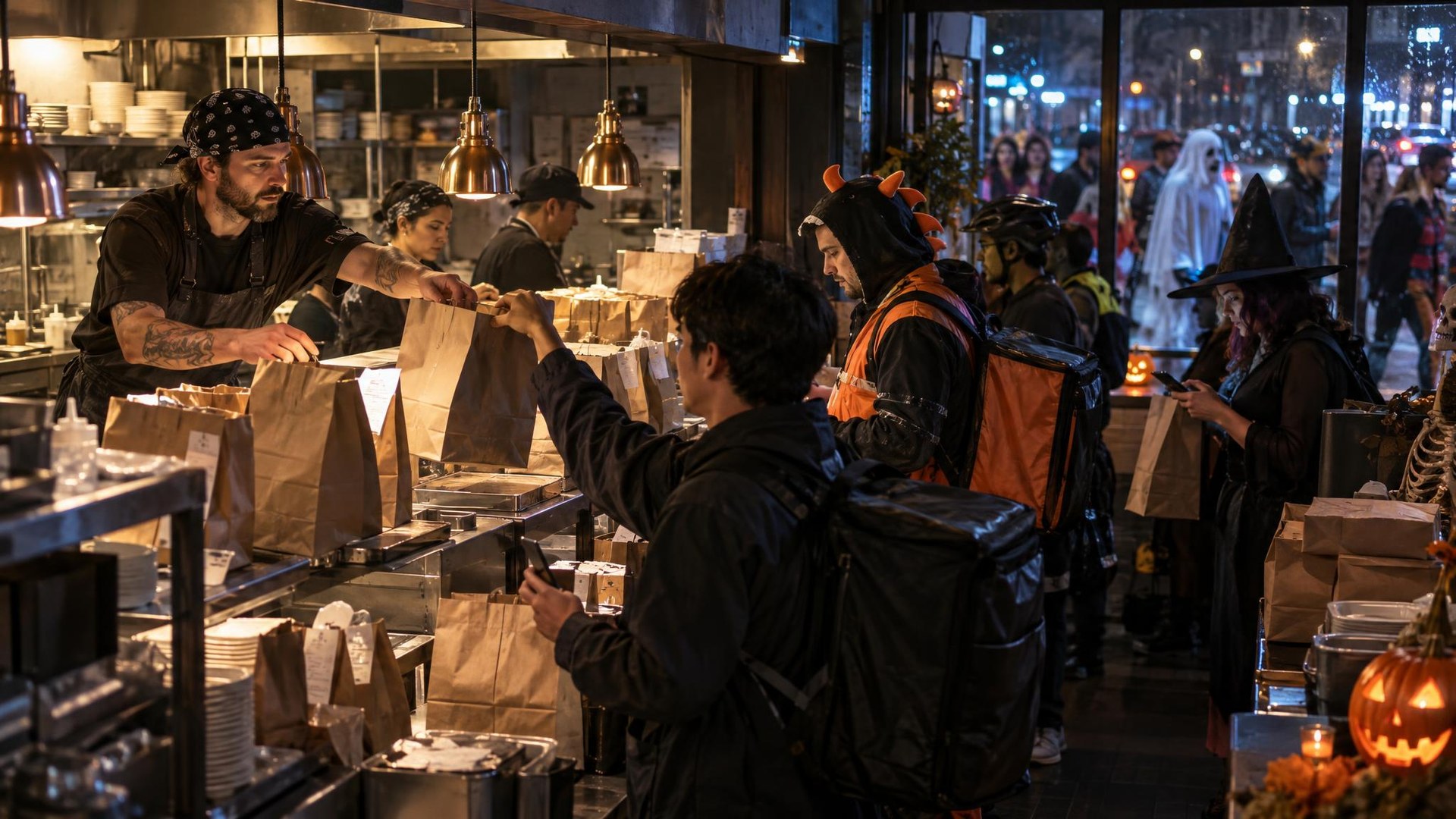
TechCrunch reported on November 4, 2026, that Uber logged just four AI-agent-booked rides and roughly 500 agent-placed Uber Eats orders during Halloween week, its busiest week in October, while CEO Dara Khosrowshahi still saw outside assistants as a potential
Chief financial officer Balaji Krishnamurthy told analysts on Uber’s third-quarter earnings call that the company handled around 320 million trips and orders across Uber and Uber Eats that week. The comparison shows how little of Uber’s current transaction volume begins with an AI agent, even during exceptionally heavy platform activity.
Khosrowshahi described agent traction as very early and limited but remained hopeful about growth, viewing third-party agents as another way to reach Uber’s platform and a potential net positive for ecosystem demand.
Khosrowshahi estimated that there are about eight major AI assistants on the market and expects that number to exceed 10. Every AI-system company is talking to Uber, pointing to considerable interest in distribution before significant agent-driven transaction volume has arrived.
Uber’s third-quarter results supply the wider operating context. The company recorded 4.1 billion trips, its measure of completed Mobility rides and Delivery orders, up 16% year over year. Monthly active platform consumers, the quarterly average of unique monthly users who completed a ride or received a delivery, reached 215 million, up 14%.
Booking Speed, Discovery and Fulfillment
Uber’s prepared remarks put the median booking time at about 50 seconds for a ride and about 90 seconds for a habitual Uber Eats reorder. Within those ordering flows, 85% of riders actively adjust their ride option before checkout, and more than one in three Uber Eats orders comes from a restaurant the customer had not ordered from during the previous year. Together, the figures explain Uber’s emphasis on combining AI-powered convenience with choice and visual discovery.
The operational distinction extends that argument. An agent can help a consumer decide where to go or what to order; Mobility still requires available drivers, real-time matching, pricing, pickup locations and support. Delivery requires merchants, couriers and consumers, alongside inventory availability, order fulfillment and management of delivery conditions. Uber believes those operational capabilities will remain valuable regardless of where the transaction begins.
Its direct relationships with consumers, merchants and earners also provide transaction history, personal preferences and real-time information. Those inputs support Uber’s effort to make booking and ordering faster and more convenient, giving its own apps a role beyond simply supplying a checkout button for an external assistant.
Uber’s Own Assistants and External-Agent Terms
Uber said early usage of Cart Assistant has been encouraging, with customers employing it for more complex grocery shopping and baskets roughly twice the size of an average Grocery & Retail order. Its Ask Eats beta is a voice-enabled assistant designed for specific requests, such as finding a healthy lunch under $15 that can arrive within 20 minutes. Ask Eats combines consumer preferences, restaurant selection, location and live delivery conditions to produce recommendations.
Uber will continue investing in AI experiences inside its own apps while selectively working with third-party agents that can bring incremental demand. Its stated evaluation criteria are customer experience, sustainable economics and preserving the benefits consumers receive from direct relationships, including Uber One.
Uber One has approximately 55 million members, who account for more than half of combined Mobility and Delivery Gross Bookings. For Mobility and Delivery, Gross Bookings is the total dollar value of rides and orders, including applicable taxes, tolls and fees. That membership base helps explain why Uber is tying external-agent distribution to the preservation of direct-relationship benefits rather than treating every new ordering channel as equivalent.
The small Halloween-week numbers leave the external opportunity unproven. Uber’s stated terms make the next stage depend on whether outside agents can add demand without compromising customer experience, sustainable economics or the direct relationships that support its existing service.
