
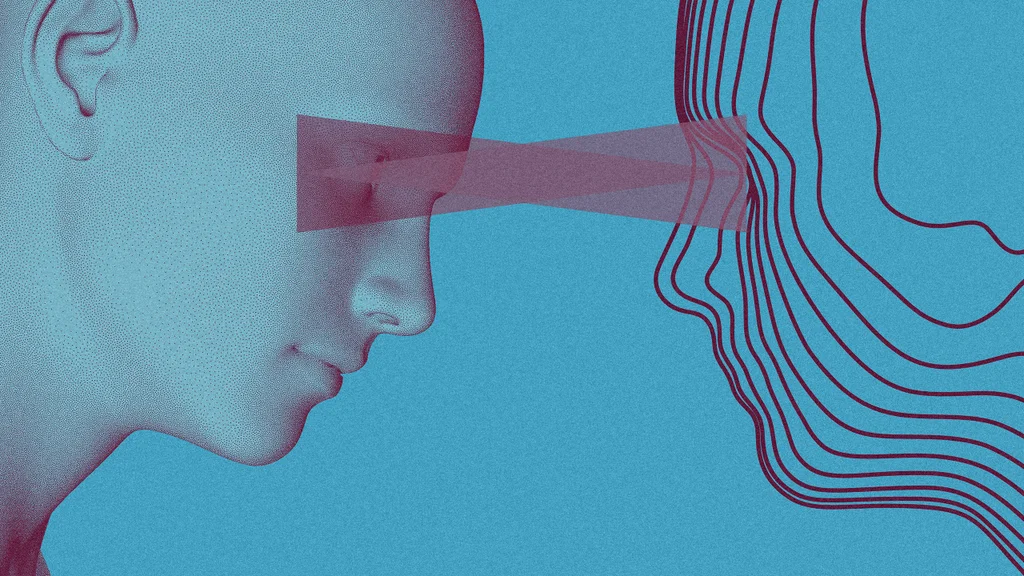
A new study suggests that AI may make workers more creative, but there’s a catch: Only certain employees are reaping the benefits.
The new data, in “How and For Whom Using Generative AI Affects Creativity: A Field Experiment,” was recently published in the Journal of Applied Psychology. For the study, the researchers conducted an experiment to find out exactly who is getting a creative boost from the technology and why.
Researchers randomly assigned 250 employees to either use ChatGPT to assist with their work or not. The employees who used the artificial intelligence tool were ranked higher in creativity by evaluators—but not all of them. Only the ones who had displayed strong “metacognitive skills” performed better, creatively speaking.
According to the research, employees who displayed such skills “could reflect on what information they lacked, keep track of how effective their approach is and reassess their approach when noticing a lack of progress, and refine their AI prompts accordingly.”
Metacognitive techniques essentially allow people to tune into their own thinking and learning processes; those who are able to think about their learning process and make changes are most likely to use AI tools well.

“Metacognition—thinking about your thinking—is the missing link between simply using AI and using it well,” Jackson G. Lu, a professor at the MIT Sloan School of Management, says of the results. “It allows people to ask better questions, recognize knowledge gaps, and extract real value from AI tools instead of relying on them passively.”
Of course, there’s a real learning curve when it comes to using AI, and, as Lu explains, that learning curve matters.
While tools like ChatGPT have tons of potential, they don’t benefit anyone—especially when it comes to boosting creativity—if they aren’t being used in a way that makes an impact.
